Quick answer: One Phish, One Click, One Breach: How Your Team (Accidentally) Becomes a Hacker’s Best Asset matters because phishing employee cybersecurity risk is now part of how MSPs protect clients, prove value, and grow recurring services without adding avoidable operational drag.
One Phish, One Click, One Breach: How Your Team (Accidentally) Becomes a Hacker’s Best Asset
Nishant
January 13, 2025
Introduction
Let’s cut the fluff.
Most cybercriminals aren’t “hacking” in the Hollywood sense. They’re not brute-forcing firewalls or cracking encryption with quantum math.
They’re just… emailing your team.
One fake invoice. One spoofed CEO message.
One click—and they’re in.
Meanwhile, leaked passwords from old accounts are floating around the dark web, ready to be used like digital skeleton keys.
If your business still thinks it’s “too small to be a target,” you’re not flying under the radar.
You’re flying with no radar at all.
Why Email Is Still the #1 Threat Vector (and Always Will Be)
Email is where 90% of cyberattacks begin.
Not because it’s powerful—because it’s easy.
Hackers don’t need malware when your employees unknowingly hand them the keys.
What’s Hiding in Your Inbox?
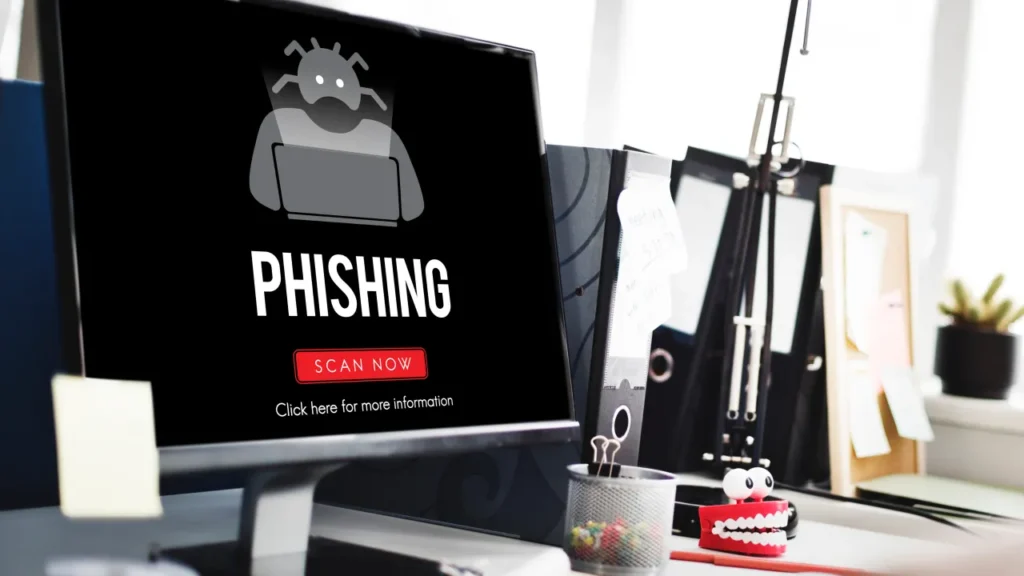
Phishing scams that look like vendors or your CEO
Ransomware in invoices disguised as PDFs
Business Email Compromise (BEC) from spoofed exec accounts
Fake domains that look 99% legit (but 100% dangerous)
How to Stop It:
✅ Use AI-powered email filters (not just generic spam blockers)
✅ Enforce Multi-Factor Authentication (MFA) across every account
✅ Train your team to spot impersonation and red flags
✅ Set up DMARC, SPF & DKIM to block spoofed emails from your domain
📉 If you’re not doing this, attackers don’t need to try hard. You’re already doing the work for them.
Your Employees Aren’t Security Experts—Train Them Anyway
Don’t blame them. They’re not security pros.
But if they’re clicking blindly or reusing passwords… they’re part of the problem.
Stats You Can’t Ignore:
85% of breaches come from human error
1 in 3 employees click on phishing links
Most use the same password everywhere (yes, even “Company123!”)
What You Need to Teach:
How phishing looks in real life
Why weak passwords are a hacker’s dream
What social engineering really sounds like
How dark web leaks affect your business
Run phishing simulations.
Make training part of onboarding.
🎯 Turn your team from liabilities into your first line of defense.
The Dark Web Already Knows Who You Are—Do You?
When credentials leak, they don’t disappear—they show up for sale.
Hackers grab these logins and run credential-stuffing attacks across every platform you use—email, CRM, payroll, cloud…
And if your MFA isn’t set up? Boom.
What’s Out There?
Employee logins with reused passwords
Company banking info
Internal emails from previous breaches
Old SaaS accounts you forgot to shut down
What to Do About It:
🔍 Use dark web monitoring tools to detect exposed data
🔐 Force password resets for compromised accounts
🧱 Enable MFA across every tool your business uses
🚨 Watch for vendor breaches that expose your data indirectly
🧨 If you’re not watching the dark web, assume someone else is—and they’re not on your side.
Final Thought: Hope Isn’t a Strategy
Cybersecurity is no longer optional. It’s operational.
If you’re still treating email like a harmless inbox, employees like they’ll “figure it out,” and the dark web like a conspiracy theory—you’re playing the game exactly how attackers want.
What Smart Companies Are Doing:
Implementing enterprise-grade email protection
Running security awareness programs that actually stick
Monitoring the dark web for threats before they hit
If you’re not sure where to begin, start by learning what AI Cyber Experts is doing to protect SMBs from the exact threats mentioned here.
Because in today’s threat landscape, your first mistake could be your last.
👉 Book a consultation, run a scan, test your team.
Just don’t wait. Cybercriminals aren’t.